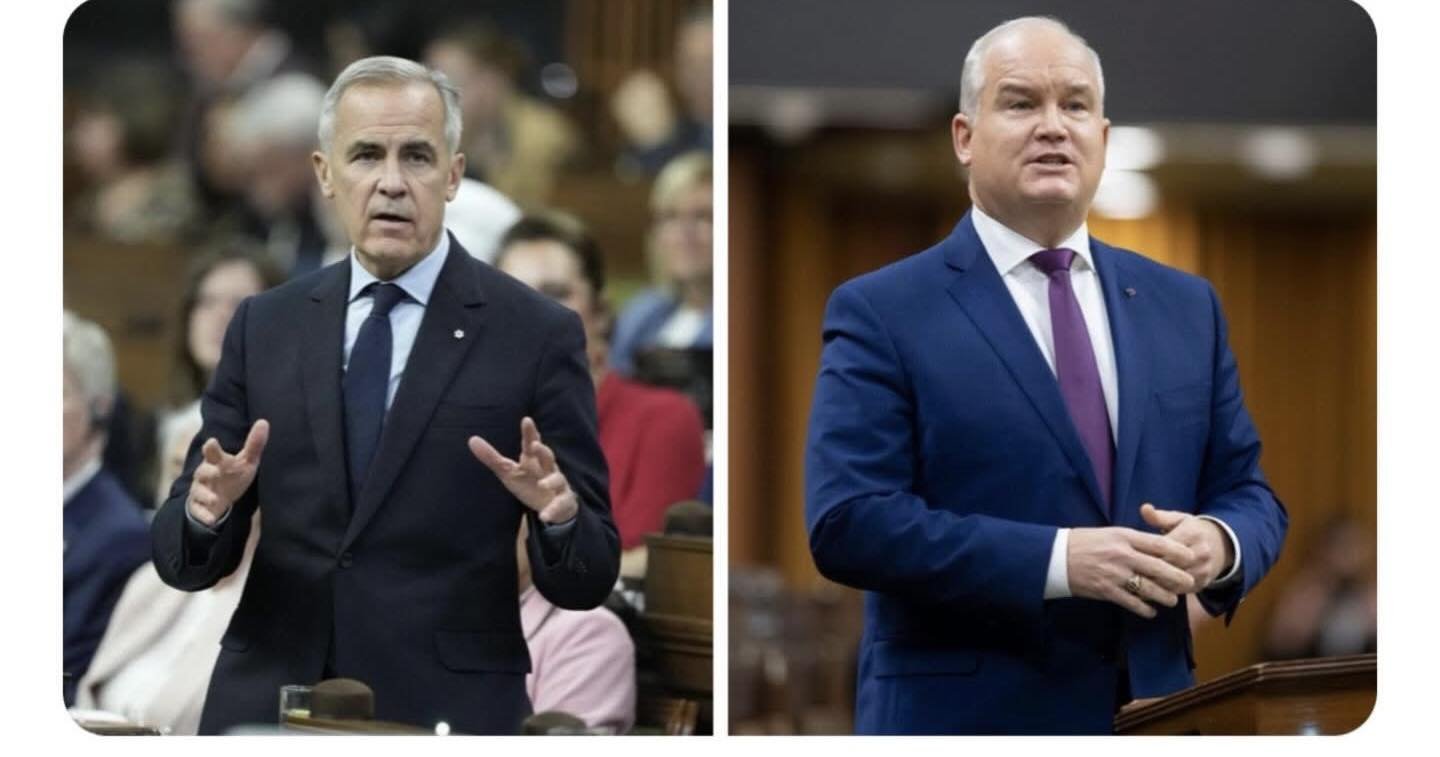
The announcement didn’t come with fireworks—but its impact was immediate.
In a political climate often defined by division, Prime Minister Mark Carney has taken a step that few expected: opening the door to his rivals.
By unveiling a new Advisory Committee on Canada–U.S. Economic Relations, Carney has done more than assemble a panel of experts—he has created a stage where cooperation and competition collide.
And at the center of it all is a question that’s now echoing across the country:
Is this a genuine attempt at unity… or a strategic political gamble?
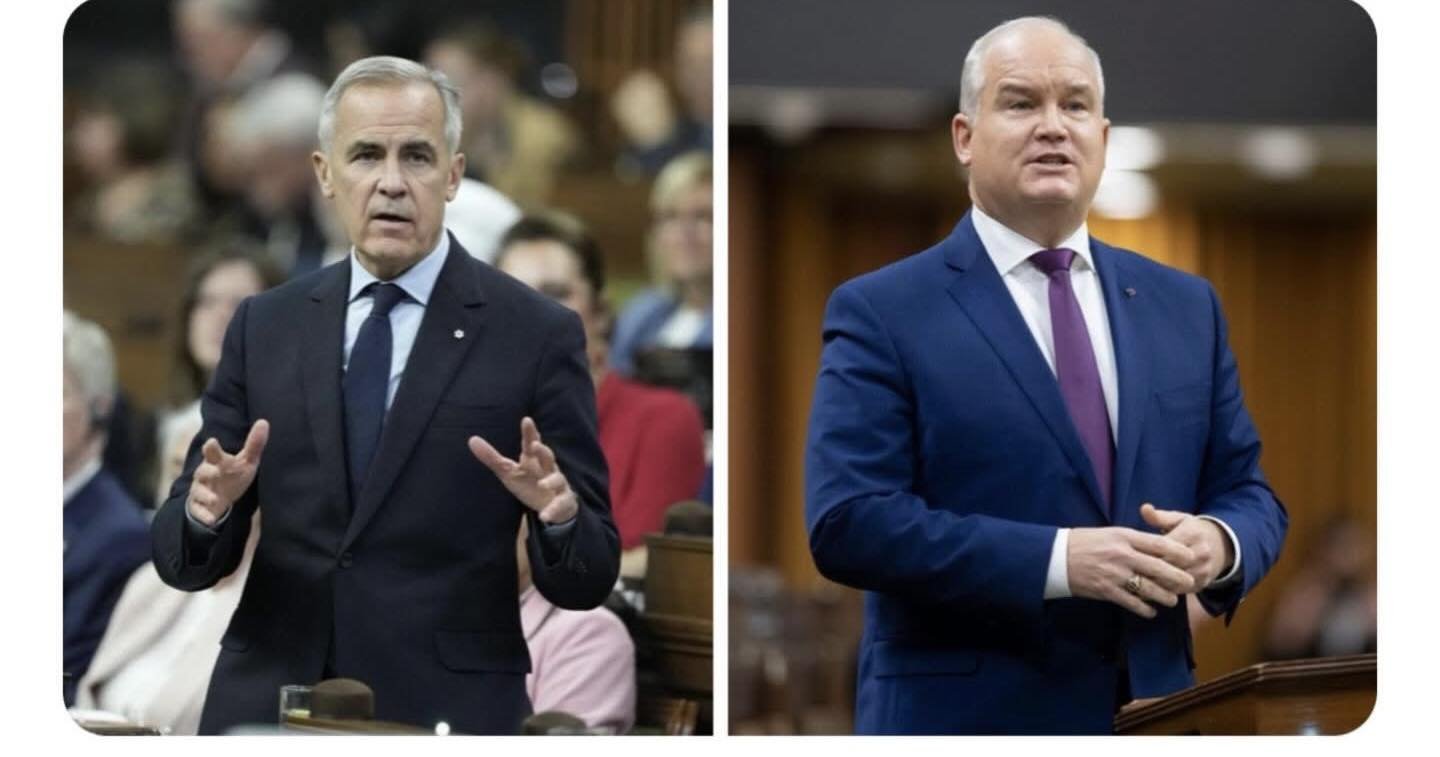
A Table Where Opponents Sit Side by Side
The committee itself is striking—not just for who is included, but for what it represents.
Prominent Conservative figures like Erin O’Toole and Lisa Raitt now sit alongside names tied to Liberal and broader national leadership: Jean Charest, Ralph Goodale, P.J. Akeeagok, and BMO CEO Darryl White.
This isn’t a partisan group.
It’s a cross-section of Canada’s political and economic influence.
And that’s exactly the point.
“This is about bringing serious people into a serious conversation,” said one Ottawa insider. “The stakes with the U.S. are too high for political silos.”
At least, that’s the message being projected.
The U.S. Factor: Why Now?
The timing of this move is no coincidence.
Canada’s economic relationship with the United States remains one of the most critical—and complicated—partnerships in the world. Trade tensions, supply chains, energy policy, and regulatory shifts continue to evolve rapidly.
Carney’s committee appears designed to do one thing:
Stay ahead of it.
By pulling in voices from across the political spectrum, the government gains access to broader insight—and potentially, broader credibility.
“It signals seriousness,” said political analyst Marie Fournier. “Not just domestically, but to Washington.”
But that seriousness comes with risk.
A “Big Chance” for Conservatives?
For Conservatives, this move presents something rare:
Access.
Influence.
And responsibility.
Pierre Poilievre and his allies have previously pushed for greater involvement in key negotiations, arguing that national interests should transcend party lines. Now, with Conservative figures included, that argument is being tested in real time.
“They asked to be at the table,” one commentator noted. “Now they are—at least indirectly.”
The question is no longer whether they should be involved.
It’s what they do with that involvement.
Will they collaborate?
Or will they challenge from within?
Praise… and Suspicion
Public reaction has been swift—and divided.
Many Canadians are praising the move as a refreshing shift away from partisan gridlock. Social media has been filled with messages applauding the inclusion of diverse voices.
“This is what leadership looks like,” one user wrote. “Putting the country before politics.”
But not everyone is convinced.
Critics argue that the committee could serve as a political shield—allowing the government to share responsibility for difficult decisions while maintaining control over outcomes.
“It’s smart,” said one opposition strategist. “If things go well, it’s leadership. If things go poorly, it’s shared accountability.”
In other words:
Win-win—or lose together.
The Real Test Begins Now
What makes this moment significant isn’t the announcement itself.
It’s what comes next.
Because assembling a committee is one thing.
Making it work is another.
The personalities involved are not passive observers. They are experienced, opinionated, and deeply invested in Canada’s direction. Aligning their perspectives—especially on complex issues tied to the U.S.—will not be easy.
“This could either be incredibly effective,” said Fournier, “or incredibly tense.”
There is little middle ground.
A Shift in Political Tone?
If successful, Carney’s move could signal something larger:
A shift in how Canadian politics operates at the highest level.
Less confrontation.
More coordination.
But that depends on trust—and trust is not easily built, especially across party lines.
For now, the optics are powerful.
A Prime Minister extending an invitation.
Opposition figures stepping into the room.
And a country watching closely.
The Question That Won’t Go Away
As the committee begins its work, one question continues to surface:
Will this experiment in cooperation deliver real results… or expose deeper divides?
For Conservatives, it is indeed a “big chance.”
A chance to influence.
A chance to prove leadership.
A chance to shape outcomes rather than just critique them.
But with that chance comes scrutiny.
Because now, they are not just observers of policy.
They are part of it.
A Moment That Could Define More Than Policy
In the end, this isn’t just about Canada–U.S. relations.
It’s about something broader.
Can political rivals work together when it matters most?
Can strategy outweigh ideology?
And can leadership—on all sides—rise above the noise?
Mark Carney has made his move.
Now, the spotlight shifts.
And the country waits.